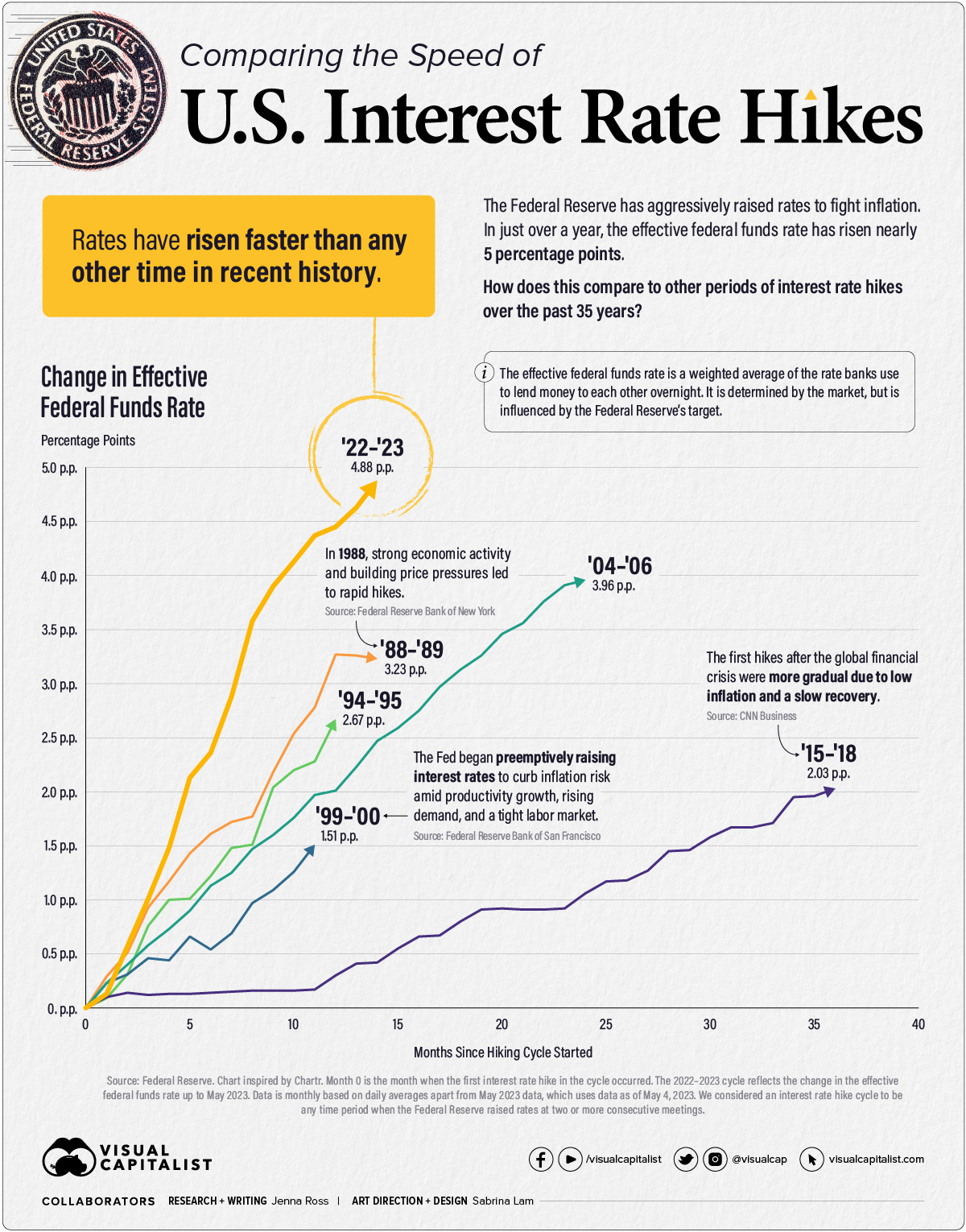
Breaking Down The Latest Interest Rate Hikes What You Need To Know
Lead: Understanding recent shifts in monetary policy is crucial for households and businesses across the United States. The Federal Reserve's decisions regarding interest rates have far-reaching implications, influencing everything from mortgage payments to the cost of consumer loans and savings returns. This article aims to provide a clear, comprehensive breakdown of the latest interest rate adjustments, explaining their significance and offering essential insights into how these changes affect daily financial life and the broader economy. Readers will gain a deeper understanding of the forces driving these decisions and what to monitor in the current economic landscape.
What Is Breaking Down the Latest Interest Rate Hikes
The core concept behind "breaking down the latest interest rate hikes what you need to know" involves dissecting the Federal Reserve's (Fed) recent decisions to increase its benchmark interest rate, known as the federal funds rate. This rate serves as a guiding light for other interest rates throughout the economy, influencing borrowing costs for banks, businesses, and consumers. When the Fed raises this rate, it typically aims to cool down an overheating economy by making borrowing more expensive, thereby curbing inflation. Conversely, lowering rates is intended to stimulate economic activity. The process of breaking it down involves:
- Analyzing the Fed's official statements and rationales.
- Examining the economic data that informs these decisions.
- Interpreting the potential impacts on various financial sectors.
- Providing actionable insights for individuals and businesses.
Why Breaking Down the Latest Interest Rate Hikes
Interest rate hikes have become a dominant topic in financial discussions due to their direct impact on everyday finances and the broader economic outlook. The recent period of elevated inflation has compelled central banks, including the U.S. Federal Reserve, to take aggressive measures to stabilize prices. This proactive stance has generated widespread public interest, as homeowners face higher mortgage rates, consumers see increased costs for credit card debt and car loans, and savers potentially benefit from better returns on deposits. The trend reflects a collective need to understand economic shifts that directly affect purchasing power and financial planning, making comprehensive explanations of these hikes highly sought after across all demographics.
Dates, Locations, or Key Details
The primary "locations" for interest rate decisions are the meetings of the Federal Open Market Committee (FOMC), the policy-making arm of the Federal Reserve. These meetings occur approximately eight times a year, with additional unscheduled meetings possible in times of economic volatility. Key details often emerge from:
- FOMC Statements: Official announcements outlining rate decisions and the committee's economic outlook.
- Press Conferences: Held by the Fed Chair following select FOMC meetings, providing further context and answering media questions.
- Economic Projections: Released quarterly, these include forecasts for GDP growth, unemployment, and inflation from FOMC participants.
- Minutes of Meetings: Published three weeks after each FOMC meeting, offering detailed insights into policy discussions.
How To Get Involved or Access Breaking Down the Latest Interest Rate Hikes
Staying informed about interest rate hikes and their implications involves consistent engagement with reliable financial news and analysis. Here are practical ways readers can access and understand this vital information:
- Follow Official Federal Reserve Communications: Regularly check the Federal Reserve Board's official website for FOMC statements, press releases, and transcripts of speeches.
- Consult Reputable Financial News Outlets: Major digital media like Bloomberg, The Wall Street Journal, Reuters, and financial sections of general news outlets offer in-depth analyses and expert commentary.
- Subscribe to Economic Newsletters: Many financial institutions and economists provide free newsletters that summarize key economic developments, including Fed actions.
- Attend Webinars or Educational Seminars: Some financial advisors and educational platforms host events explaining current economic trends and their impact.
- Monitor Economic Data Releases: Keep an eye on reports such as the CPI, jobs reports, and GDP figures, as these are critical indicators influencing Fed policy.
What To Expect
- Continued Scrutiny of Inflation: The Fed remains focused on bringing inflation down to its target, meaning future rate decisions will hinge on price stability.
- Variable Impact on Loan Products: Expect adjustments in interest rates for mortgages, auto loans, and credit cards, often reflecting Fed movements.
- Potential for Better Savings Returns: Deposit accounts, such as savings accounts and Certificates of Deposit (CDs), may offer higher yields.
- Market Volatility: Financial markets often react significantly to Fed announcements, leading to fluctuations in stock and bond prices.
The Broader Impact of Breaking Down the Latest Interest Rate Hikes
The ripple effect of interest rate hikes extends beyond individual finances, profoundly influencing the broader U.S. and global economies. In business, higher borrowing costs can deter investment, potentially slowing expansion and hiring. For the housing market, increased mortgage rates can reduce affordability and cool demand. Internationally, U.S. rate hikes can strengthen the dollar, affecting global trade and making U.S. exports more expensive. Understanding these dynamics is essential for policymakers, investors, and consumers navigating the economic environment. The insights derived from thoroughly analyzing these rate adjustments allow for better strategic planning and risk management across various sectors.
The Federal Reserve's commitment to price stability often necessitates tough choices, and recent rate hikes underscore a resolve to combat inflation, even if it means tempering economic growth in the short term, says Dr. Evelyn Reed, a financial economist. These actions are designed to secure long-term economic health.
Economic or Social Insights
The economic landscape shaped by interest rate hikes is complex. On one hand, higher rates are a necessary tool to combat inflation, which erodes purchasing power and disproportionately affects lower-income households. On the other, they can slow economic growth, potentially leading to job losses or reduced investment. Socially, these changes can exacerbate existing inequalities, as those with significant debt loads face increased financial pressure, while those with substantial savings may see their wealth grow. Reports from sources like Business Insider and Bloomberg consistently highlight how the real estate market, consumer spending habits, and corporate earnings are directly influenced by the Fed's interest rate trajectory, underscoring the broad societal implications of these monetary policy shifts.
Frequently Asked Questions About Breaking Down the Latest Interest Rate Hikes
- What is breaking down the latest interest rate hikes what you need to know? It refers to the process of analyzing recent decisions by the Federal Reserve to increase its benchmark interest rate, understanding the reasons behind these hikes, and detailing their consequences for the economy, businesses, and individual finances.
- Why is breaking down the latest interest rate hikes what you need to know popular? Its popularity stems from the direct and widespread impact these financial policy changes have on daily life, from loan costs and savings returns to overall economic stability and job prospects. People seek clarity to make informed financial decisions.
- How can people participate or experience it? Participation involves staying informed through reliable financial news, understanding how personal loans, mortgages, and investments are affected, and adjusting financial strategies accordingly. Its about being an engaged financial citizen.
- Is it legitimate or official? The subject matter, interest rate hikes, is a legitimate and official function of central banks like the U.S. Federal Reserve. The "breaking down" aspect refers to the journalistic and analytical effort to explain these official actions and their implications clearly.
- What can attendees or users expect? Readers can expect to gain a comprehensive understanding of current monetary policy, how it influences their financial well-being, and strategies for navigating a changing interest rate environment, empowering them with essential economic knowledge.
Conclusion
The continuous adjustments to interest rates by the Federal Reserve are a cornerstone of modern economic management, designed to foster price stability and maximum employment. Breaking down these latest interest rate hikes provides a vital public service, demystifying complex financial decisions and their tangible effects. It is a topic of profound importance for anyone managing personal finances, operating a business, or simply observing the broader economic trends. Understanding these shifts is not merely academic; it is a practical necessity for making informed decisions in an evolving economic landscape.
Call to Action: To stay abreast of these critical economic developments, readers are encouraged to regularly consult official Federal Reserve communications, follow reputable financial news sources, and engage with financial professionals to understand the personalized impact of interest rate changes.