Bridging The Internet Chasm Overcoming Digital Divide
Lead: In an era increasingly defined by digital connectivity, a significant challenge persists across the United States: the digital divide. This article explores the critical, multifaceted effort toward bridging the internet chasm, offering insights into its profound implications and the concerted actions underway to overcome it. Readers will gain an understanding of what this divide entails, why its resolution is paramount for societal equity and economic growth, and how various initiatives are working to ensure internet access for all Americans.
What Is Bridging the Internet Chasm Overcoming Digital Divide?
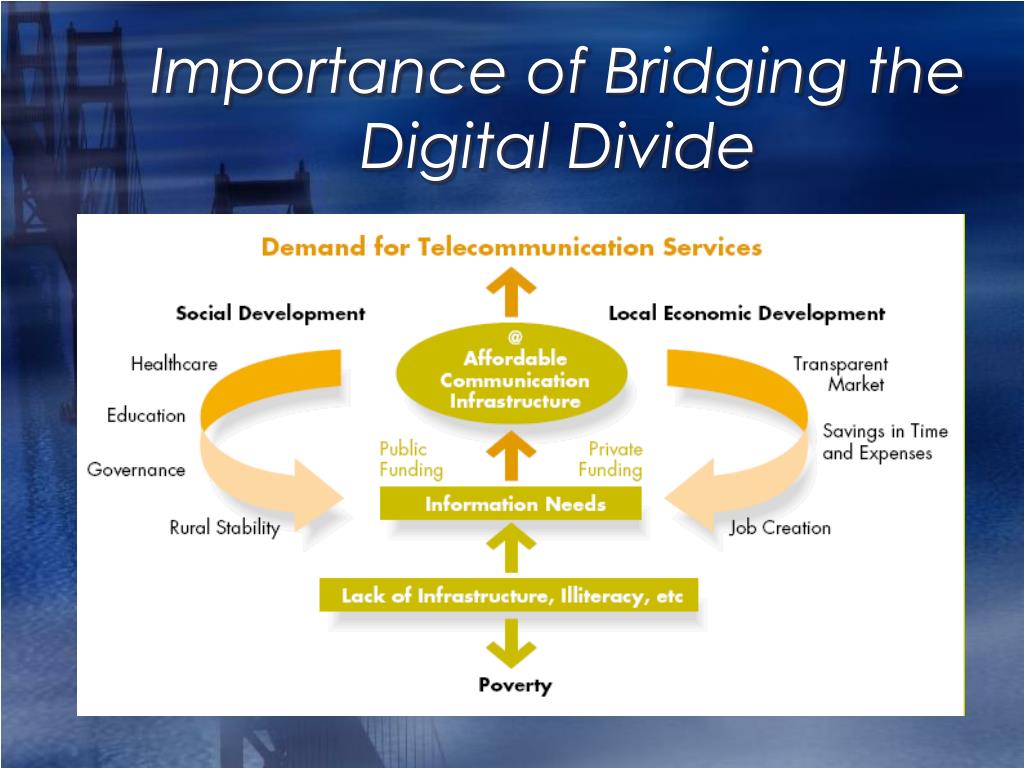
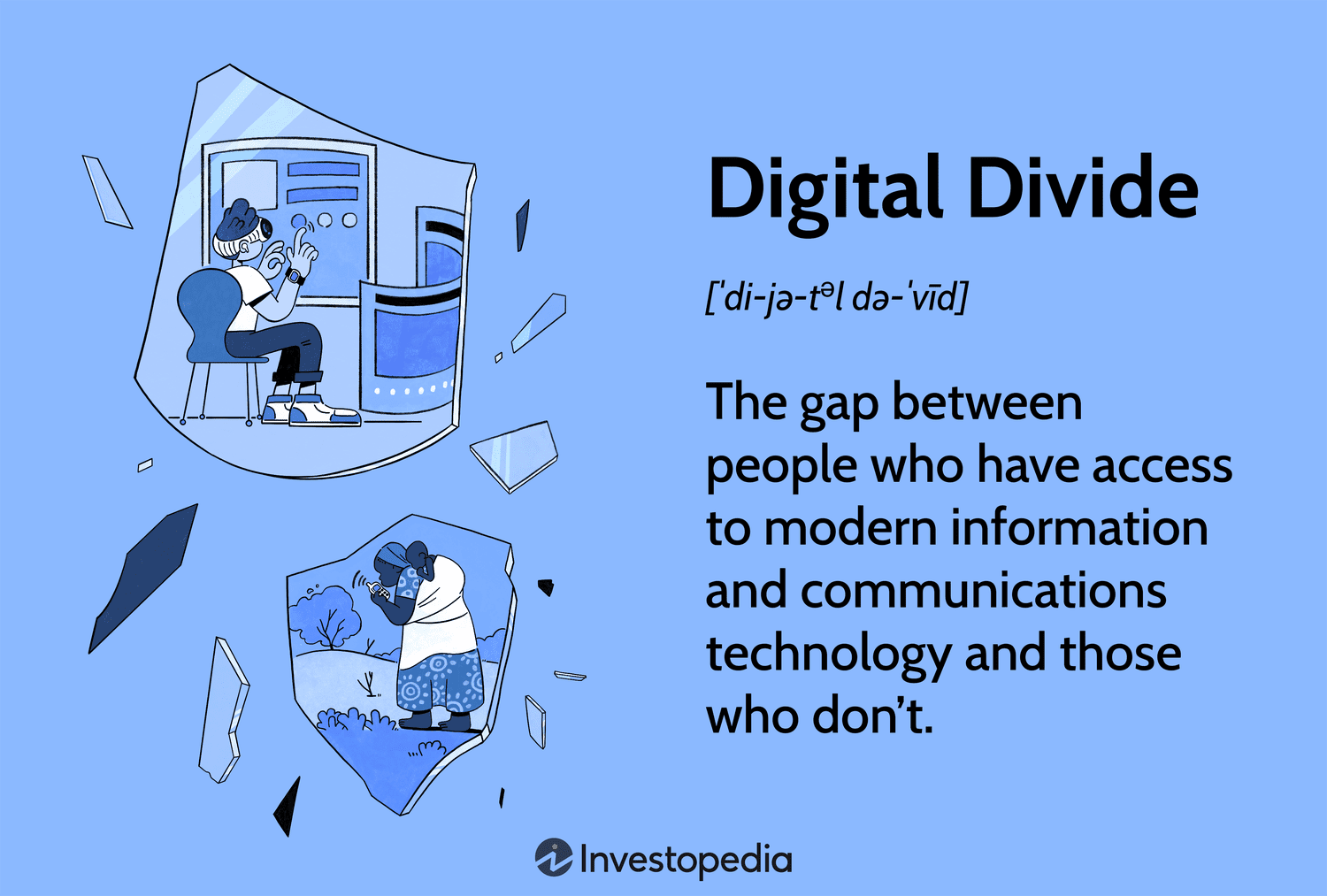
Bridging the internet chasm overcoming the digital divide refers to the comprehensive efforts aimed at closing the gap between those who have ready access to modern information and communication technologies, particularly high-speed internet, and those who do not. This divide isn't merely about physical access; it encompasses a broader range of factors, including:
- Broadband Availability: The physical infrastructure for reliable, high-speed internet.
- Affordability: The cost of internet service and devices being prohibitive for low-income households.
- Digital Literacy: The skills required to effectively use the internet and digital devices.
- Relevant Content: Access to online resources that are useful and accessible to diverse populations.
The "chasm" represents the profound socio-economic disparity created by this lack of access, while "bridging" and "overcoming" denote the active strategies, policies, and community-led initiatives designed to eliminate these barriers and foster universal digital inclusion.
Why Bridging the Internet Chasm Overcoming Digital Divide Is Trending
The concept of bridging the internet chasm has gained unprecedented urgency and national prominence in recent years. The global events of the early 2020s dramatically underscored the indispensable nature of internet access for virtually every aspect of daily life. Remote work, online education, telehealth appointments, and even civic engagement became reliant on reliable connectivity, exposing the stark inequalities faced by millions without it. This heightened awareness has propelled the digital divide to the forefront of national policy discussions, public investment strategies, and community development agendas. Policymakers, industry leaders, and non-profit organizations are now prioritizing digital equity as a foundational element for a resilient and prosperous society, making "bridging the internet chasm" a trending imperative.
Dates, Locations, or Key Details
The effort to bridge the internet chasm is a continuous, evolving process with significant recent milestones and ongoing initiatives across the United States. Federal programs have taken center stage, particularly since 2021:
- The Broadband Equity, Access, and Deployment (BEAD) Program, established by the Infrastructure Investment and Jobs Act (IIJA), allocates over $42 billion to states for broadband infrastructure deployment, focusing on unserved and underserved areas, predominantly in rural and tribal lands, but also addressing challenges in urban environments.
- The Affordable Connectivity Program (ACP), administered by the Federal Communications Commission (FCC), provides eligible low-income households with a discount on broadband service and a one-time discount on a connected device. This program has been crucial in addressing the affordability barrier.
- Various state-level initiatives and municipal programs complement federal efforts, often targeting specific local needs, such as public Wi-Fi access points, device distribution programs, and digital literacy training courses in community centers and libraries.
While the focus is nationwide, specific attention is often directed towards rural communities, where infrastructure can be sparse and costly, and low-income urban areas, where affordability and digital literacy are primary concerns. These efforts represent a multi-year commitment to fundamentally reshape the digital landscape.
How To Get Involved or Access Bridging the Internet Chasm Overcoming Digital Divide
For individuals and communities interested in supporting or benefiting from initiatives designed to bridge the internet chasm, several pathways exist:
- Check Eligibility for the Affordable Connectivity Program (ACP): Households can determine if they qualify for discounted internet services by visiting the official ACP website and applying.
- Engage with Local Initiatives: Many community organizations, libraries, and schools offer digital literacy classes, access to public computers, and device lending programs. Contacting local government or community centers can provide information on available resources.
- Support Advocacy Efforts: Non-profit organizations focused on digital equity often lobby for policy changes, raise awareness, and implement community programs. Supporting these groups through volunteering or donations contributes directly to overcoming the divide.
- Stay Informed on Federal and State Broadband Plans: State broadband offices often publish plans for infrastructure deployment and digital equity. Monitoring these updates can inform residents about upcoming changes in their areas.
- Participate in Community Surveys: Local governments and internet service providers sometimes conduct surveys to identify areas lacking adequate broadband. Participation ensures that community needs are accurately represented.
What To Expect
- Increased Broadband Availability: Communities previously lacking internet infrastructure can anticipate new high-speed service options becoming available.
- More Affordable Internet Options: Subsidies and competitive market forces are likely to make internet service more accessible financially.
- Enhanced Digital Skills Training: A proliferation of programs designed to teach essential digital competencies for employment, education, and daily life.
- Improved Access to Online Resources: Greater ease in accessing educational materials, telehealth services, and job opportunities through a more inclusive digital ecosystem.
The Broader Impact of Bridging the Internet Chasm Overcoming Digital Divide
The successful bridging of the internet chasm carries profound implications across multiple societal sectors. Economically, universal broadband access can unlock significant growth, boosting local businesses, fostering innovation, and connecting job seekers with broader employment opportunities. Educationally, it ensures equitable access to learning resources, homework support, and pathways to higher education, mitigating the "homework gap." In healthcare, it expands the reach of telemedicine, offering critical services to remote areas and improving health outcomes. Culturally and socially, greater connectivity strengthens community bonds, enhances civic participation, and allows for greater access to information and entertainment, fostering a more informed and engaged populace. Industry analysis, such as that found in reports from organizations like the Pew Research Center and the National Telecommunications and Information Administration (NTIA), consistently highlights these far-reaching benefits.
The digital divide is no longer just about who has access, but who has the ability to thrive in a connected world. Closing this gap is foundational to our collective future, influencing everything from economic competitiveness to individual well-being. An unnamed leading broadband policy analyst.
Economic or Social Insights
Addressing the digital divide represents a critical investment in national prosperity. Studies consistently demonstrate a strong correlation between broadband penetration and economic output. Regions with robust internet infrastructure often experience higher rates of small business creation, increased property values, and improved job growth. For instance, reports by organizations like the Broadband Internet Technical Advisory Council (BITAG) or analyses cited by institutions like the Brookings Institution suggest that every dollar invested in broadband infrastructure can yield several dollars in economic benefits. Socially, the elimination of the divide can significantly reduce inequalities, providing marginalized communities with tools for upward mobility, improved educational attainment, and greater participation in democratic processes, fundamentally strengthening the social fabric of the nation.
Frequently Asked Questions About Bridging the Internet Chasm Overcoming Digital Divide
- What is bridging the internet chasm overcoming digital divide? It refers to the collective strategies and actions aimed at ensuring all individuals and communities have equitable access to affordable, reliable high-speed internet, necessary devices, and the skills to use them effectively, thereby eliminating disparities in digital access and literacy.
- Why is bridging the internet chasm overcoming digital divide popular? Its popularity stems from the recognition that internet access is no longer a luxury but a fundamental necessity for modern life, impacting education, employment, healthcare, and civic engagement. Recent global events amplified this understanding, propelling it to the forefront of national policy and public interest.
- How can people participate or experience it? Individuals can participate by applying for federal assistance programs like the Affordable Connectivity Program (ACP), utilizing local digital literacy training, advocating for broadband expansion in their communities, and supporting non-profit organizations dedicated to digital equity.
- Is it legitimate or official? Yes, the efforts to bridge the internet chasm are highly legitimate and officially sanctioned, driven by significant federal investment (e.g., through the BEAD program), state initiatives, and partnerships with private industry and non-profit organizations across the country.
- What can attendees or users expect? Users can expect improved internet infrastructure, more affordable service options, increased access to digital skills training, and a broader range of online resources, ultimately leading to greater opportunities in education, employment, and overall quality of life.
Conclusion
The imperative to bridge the internet chasm and overcome the digital divide stands as one of the most significant challenges and opportunities of the current era. It represents a fundamental commitment to equity, economic vitality, and social progress across the United States. By strategically addressing issues of infrastructure, affordability, and digital literacy, the nation is actively working towards a future where digital access is a universal right, not a privilege. The collective efforts to date demonstrate a clear path toward empowering every American with the tools needed to thrive in an increasingly connected world.
Call to Action: Readers are encouraged to explore federal resources such as the Affordable Connectivity Program website (www.fcc.gov/acp), learn about their state's broadband initiatives, and engage with local community programs dedicated to advancing digital equity.