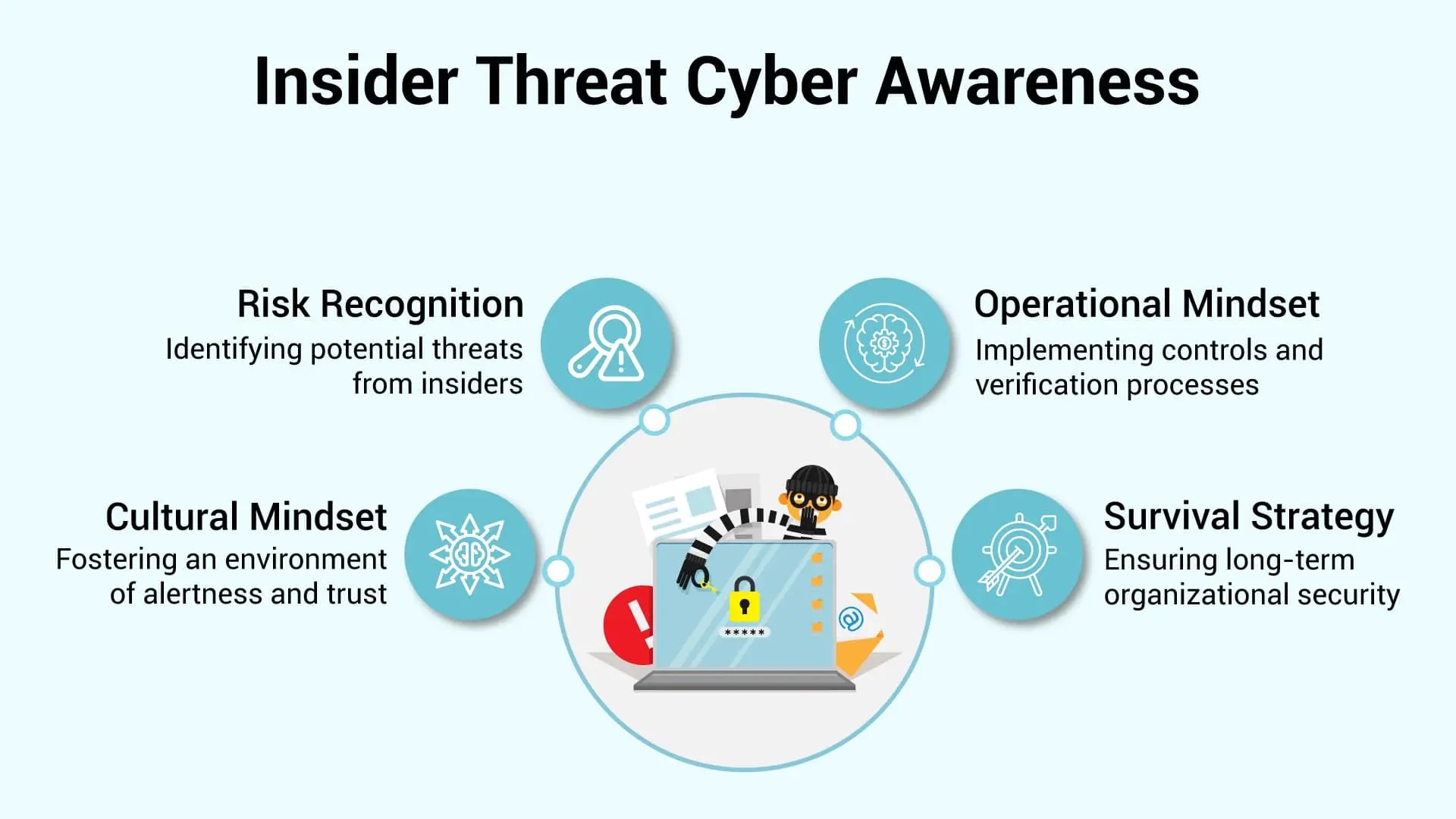
Insider Threat Cyber Awareness 2024 A Complete Guide
Lead: In an evolving digital landscape, safeguarding sensitive information and critical infrastructure has become paramount for organizations across the United States. The persistent and often elusive nature of insider threats continues to pose a significant challenge, making comprehensive "insider threat cyber awareness" not just advisable, but essential. As 2024 unfolds, the need for updated, robust strategies has prompted the development of a complete guide to equip entities with the knowledge and tools necessary to mitigate these internal risks effectively. This guide delves into the nuances of identifying, preventing, and responding to insider threats, providing a critical resource for maintaining organizational security.
What Is Insider Threat Cyber Awareness 2024?
Insider threat cyber awareness refers to the educational and training programs designed to inform employees, contractors, and other authorized personnel about the risks posed by individuals within an organization who might intentionally or unintentionally compromise cybersecurity. A complete guide for 2024 specifically updates these concepts to reflect current threat landscapes, technological advancements, and evolving operational models, such as hybrid work environments. It encompasses:
- Identification: Recognizing behavioral indicators, access patterns, and digital footprints that could signal an insider risk.
- Prevention: Implementing technical controls, policy frameworks, and cultural practices that deter malicious activities and reduce the likelihood of accidental breaches.
- Response: Establishing clear protocols for investigating and addressing suspected insider incidents swiftly and effectively.
The guide emphasizes that insider threats are not solely malicious; they can also stem from negligence, human error, or susceptibility to social engineering, highlighting the importance of a holistic awareness approach.
Why Insider Threat Cyber Awareness 2024 Is Trending
The escalating focus on insider threat cyber awareness in 2024 stems from several critical factors driving its significance. The digital transformation accelerated by recent global shifts has expanded attack surfaces, with more data residing in cloud environments and accessible remotely. Simultaneously, geopolitical tensions and economic pressures can exacerbate motivations for malicious insiders, while the sheer complexity of modern IT environments increases opportunities for unwitting mistakes. High-profile data breaches linked to insiders, whether intentional data exfiltration or accidental misconfigurations, underscore the devastating financial and reputational damage these incidents can inflict. Organizations are recognizing that external defenses, while crucial, are insufficient without equally strong internal security postures. This collective realization fuels the growing interest in comprehensive and up-to-date guidance.
Key Details for Insider Threat Cyber Awareness in 2024
The "2024" aspect of this guide signifies a focus on contemporary challenges and best practices. While there isn't a single, universally mandated event for this guide, its principles align with ongoing efforts by U.S. government agencies and industry bodies to enhance cybersecurity. Key details include:
- Updated Threat Landscape: Addresses new types of malware, sophisticated phishing techniques targeting insiders, and the exploitation of AI tools by malicious actors.
- Regulatory Compliance: Integrates insights relevant to evolving U.S. data protection regulations (e.g., CMMC, HIPAA, GDPR's impact on U.S. entities handling EU data).
- Technology Focus: Highlights the role of advanced analytics, User and Entity Behavior Analytics (UEBA), and Zero Trust architectures in detecting and mitigating insider risks.
- Human Factor Emphasis: Reaffirms the critical role of continuous training and fostering a security-conscious culture as foundational elements.
The guide serves as a living document, reflecting the dynamic nature of cybersecurity in the current year.
How To Get Involved or Access the Insider Threat Cyber Awareness 2024 Guide
Accessing and implementing the principles outlined in an insider threat cyber awareness 2024 guide typically involves a multi-pronged approach for organizations and individuals:
- Organizational Policy Review: Companies should review and update existing insider threat policies to align with 2024 best practices, incorporating insights from the guide.
- Employee Training Programs: Implement or refresh mandatory training sessions for all personnel, covering the latest threat vectors, reporting procedures, and security protocols.
- Technology Adoption: Invest in and deploy security tools such as data loss prevention (DLP), access management systems, and behavior analytics platforms recommended by current guides.
- Culture Cultivation: Foster an organizational culture where cybersecurity is a shared responsibility, encouraging open communication about potential risks without fear of retribution for honest mistakes.
- Continuous Learning: Security teams and personnel responsible for insider threat programs should engage in ongoing professional development, attending webinars, workshops, and conferences focused on 2024 cybersecurity trends.
What To Expect From a Complete Guide
- Comprehensive Risk Assessment: Tools and methodologies for evaluating an organization's specific vulnerabilities to insider threats.
- Detailed Mitigation Strategies: Actionable steps for implementing technical, administrative, and physical controls to reduce risk.
- Case Studies and Examples: Real-world scenarios illustrating common insider threat patterns and effective countermeasures.
- Best Practices for Incident Response: Clear guidelines for detecting, investigating, containing, and recovering from insider incidents.
- Focus on Human Element: Guidance on fostering a positive security culture, employee well-being, and ethical considerations in monitoring.
The Broader Impact of Insider Threat Cyber Awareness
A robust insider threat cyber awareness program has far-reaching implications, extending beyond immediate data protection. It significantly impacts national security, corporate reputation, and financial stability across various sectors. For critical infrastructure, defense contractors, and financial institutions, effective insider threat mitigation can prevent espionage, sabotage, and the theft of intellectual property that could compromise national interests. In the business realm, it safeguards customer trust, preserves market competitiveness, and protects against the severe financial penalties associated with data breaches and regulatory non-compliance. Industry analysts consistently highlight that the cost of an insider-related data breach can be substantially higher than external attacks due to the greater data access typically afforded to insiders.
Industry analysts emphasize that a robust insider threat program is no longer a luxury but a fundamental pillar of organizational resilience in the current digital age.
Economic or Social Insights
The economic toll of insider threats is substantial. Reports from various cybersecurity firms and industry watchdogs indicate that the average cost of an insider-related incident continues to rise, often reaching millions of dollars when factoring in detection, investigation, containment, remediation, legal fees, and reputational damage. This directly impacts businesses' bottom lines and can lead to job losses or reduced investment. Socially, a breach can erode public trust in institutions, especially those handling sensitive personal data. For instance, a financial institution suffering an insider breach could face a significant customer exodus, while a healthcare provider could face severe penalties and a loss of patient confidence. Insights from publications like Business Insider and CSO Magazine frequently detail these financial repercussions and the strategic shifts organizations are making to counter them, highlighting the long-term economic and social benefits of proactive awareness.
Frequently Asked Questions About Insider Threat Cyber Awareness 2024
- What is insider threat cyber awareness 2024? It refers to comprehensive educational and strategic programs designed for the current year to inform personnel about the risks posed by insidersboth malicious and unwittingwho might compromise an organization's cybersecurity. It encompasses updated methods for identifying, preventing, and responding to these internal threats.
- Why is insider threat cyber awareness 2024 popular? Its popularity stems from the increasing sophistication of cyberattacks, the proliferation of remote work, and the persistent financial and reputational damage caused by insider incidents. Organizations recognize the critical need for up-to-date guidance to protect their assets and comply with evolving regulatory landscapes.
- How can people participate or experience it? Organizations can participate by implementing comprehensive training programs, updating internal policies, and deploying relevant security technologies. Individuals can engage by actively participating in training, adhering to security protocols, and promptly reporting suspicious activities or concerns.
- Is it legitimate or official? While "Insider Threat Cyber Awareness 2024: A Complete Guide" refers to a comprehensive approach rather than a single official document, its principles are based on established cybersecurity frameworks, best practices from government agencies (e.g., CISA, NIST), and industry expert recommendations. Its legitimacy is rooted in its adherence to widely accepted security standards.
- What can attendees or users expect? Users can expect to gain a deeper understanding of insider threat typologies, learn practical strategies for prevention and detection, grasp the importance of a strong security culture, and be better equipped to contribute to their organization's overall cybersecurity posture.
Conclusion
The landscape of cybersecurity is continuously shifting, making proactive and informed defenses indispensable. Insider threat cyber awareness 2024 represents a critical component of this defense, offering a comprehensive framework for organizations to navigate the complex challenges posed by internal risks. By understanding the evolving nature of threats, implementing robust awareness programs, and fostering a culture of security, entities can significantly strengthen their resilience against potential compromises. This guide serves as a vital resource in building and maintaining a secure operational environment in the face of persistent and sophisticated threats.
Call to Action: Organizations and individuals are encouraged to explore and implement the principles outlined in modern insider threat cyber awareness guides. Engage with cybersecurity experts, consult industry best practices, and commit to continuous training to fortify defenses against internal vulnerabilities.