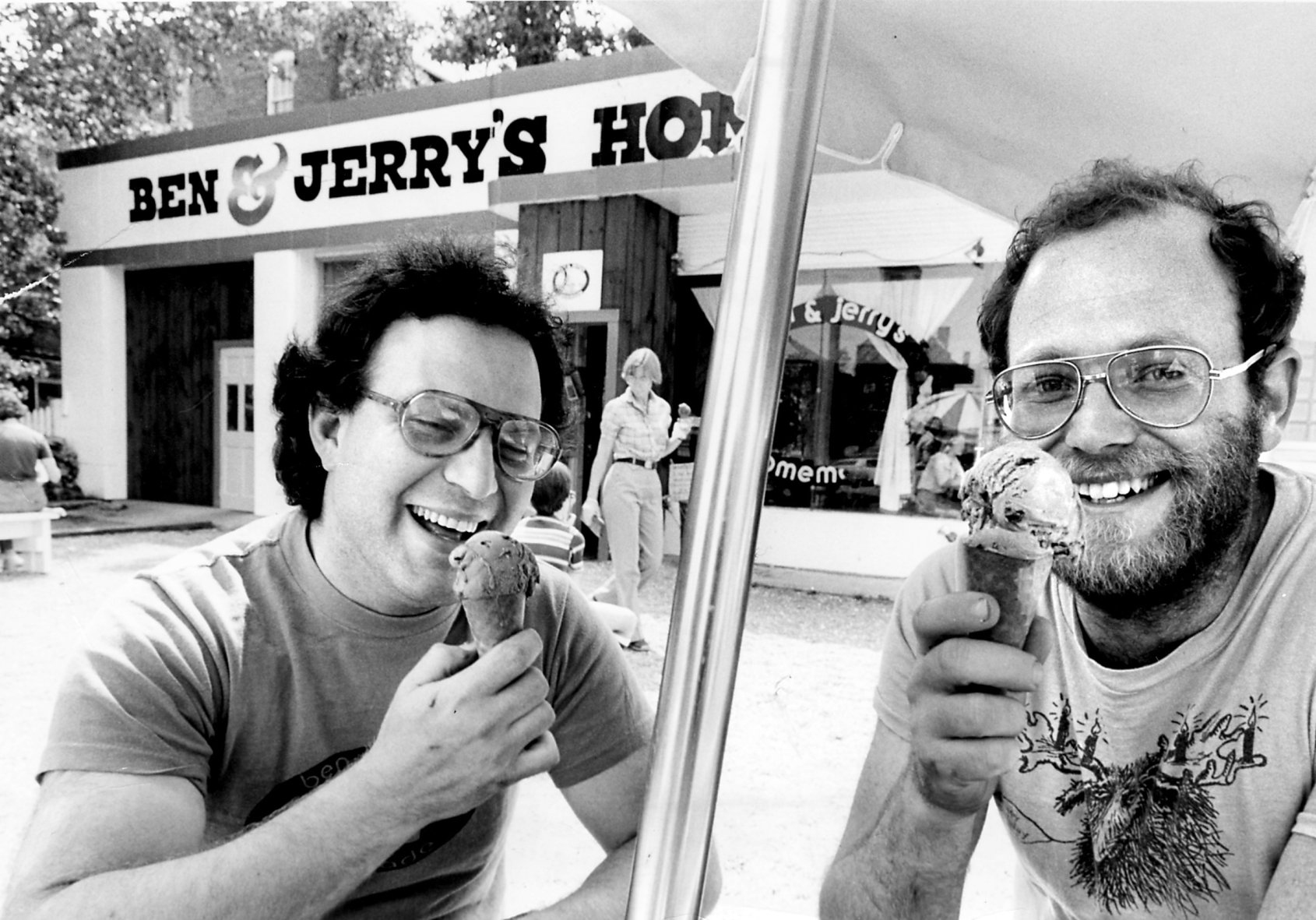
Jerry Greenfields Unexpected Exit From Ben Jerrys
Lead: The ice cream world is buzzing following news of Jerry Greenfield's unexpected exit from the board of directors at Ben & Jerry's. As co-founder of the iconic Vermont-based company, Greenfield's departure marks a significant moment, prompting discussions about the brand's future direction, its social mission, and the evolving landscape of corporate governance. This article delves into the details surrounding this pivotal change, exploring its background, implications, and what it means for one of America's most beloved dessert brands.
What Is Jerry Greenfield's Unexpected Exit from Ben & Jerry's?
Jerry Greenfield, alongside Ben Cohen, founded Ben & Jerry's Homemade Holdings Inc. in 1978, building it into a global phenomenon known not just for its innovative flavors but also for its commitment to social justice and environmental causes. His recent departure refers specifically to his stepping down from the company's independent board of directors. While he remains a beloved figure and co-founder, his direct influence on day-to-day governance and strategic decisions through a board seat has concluded. This move signifies a shift in the direct involvement of the founders in the operational and ethical oversight of the company they built from the ground up.
Why Jerry Greenfield's Unexpected Exit from Ben & Jerry's Is Significant
The significance of Jerry Greenfield's unexpected exit from Ben & Jerry's board extends beyond a typical executive departure. For decades, the presence of both founders on the board served as a symbolic and practical anchor, ensuring the company's unique social mission remained central, even after its acquisition by Unilever in 2000. Unilever's agreement allowed Ben & Jerry's to maintain an independent board, tasked with protecting the brand's integrity and its progressive values. Greenfield's absence raises questions about the future balance between corporate profitability and social advocacy within the company. This event resonates deeply with consumers who value brands that align with their ethical convictions, making it a focal point for discussions on conscious capitalism and corporate responsibility.
Key Details and Historical Context
Jerry Greenfield's journey with Ben & Jerry's began in a renovated gas station in Burlington, Vermont. Over the years, the company grew, earning a reputation for pioneering flavors and a business model that integrated social good. The pivotal moment for governance came in 2000 when Unilever acquired Ben & Jerry's. As part of the acquisition, an independent board was established, specifically designed to uphold the companys social mission, brand integrity, and product quality. This structure granted the board significant autonomy, particularly concerning social objectives. Greenfield, along with Cohen, remained active participants in this unique governance model for over two decades. His recent decision to step down from this board, at a time when the company has been navigating various complex geopolitical and social issues, underscores the intricate relationship between a brand's legacy, its founding principles, and its contemporary challenges.
Understanding the Legacy and Future Implications
While individuals cannot "get involved" in an exit event, understanding the context and implications of Jerry Greenfield's departure is crucial for consumers, industry watchers, and those interested in corporate social responsibility. To fully grasp this transition:
- Review Company Statements: Keep an eye on official communications from Ben & Jerry's or Unilever regarding future board appointments or statements on maintaining the company's social mission.
- Follow Business News: Major financial and business publications will likely cover the ongoing impact of this change on the brand's strategy and market position.
- Engage with Consumer Activism: Organizations and consumer groups focused on ethical business practices may offer analyses or calls to action related to brands upholding their values.
- Study Corporate Governance Models: Learn about how independent boards function, especially within larger corporate structures, to appreciate the nuances of such high-profile departures.
What To Expect
- The company is expected to continue its dual mission of producing high-quality ice cream and advocating for social justice, but potentially with a different dynamic on its independent board.
- Increased scrutiny from consumers and media regarding Ben & Jerry's actions and statements on social and political issues will likely occur in the absence of a founder's direct board oversight.
- Discussions within the corporate world about the sustainability of independent social mission boards under large corporate ownership are anticipated to intensify.
The Broader Impact of Jerry Greenfield's Unexpected Exit from Ben & Jerry's
Jerry Greenfield's departure from the board of Ben & Jerry's reverberates across the broader landscape of conscious capitalism and corporate social responsibility. The company has long been a benchmark for how a business can successfully integrate progressive values into its core operations, often challenging the traditional corporate playbook. This exit could symbolize a shift, not just for Ben & Jerry's, but for other mission-driven brands seeking to maintain their identity within larger corporate structures. It highlights the inherent tension between shareholder profit mandates and deeply embedded ethical commitments. The ongoing narrative of Ben & Jerry's will serve as a case study for future entrepreneurs and large corporations alike, demonstrating the complexities of balancing purpose with profit in an ever-changing global market.
The founders continued presence on the board was a significant part of the Ben & Jerry's identity. Their stepping back opens a new chapter, challenging the company to prove its commitment to its founding values without their direct day-to-day oversight, observed a market analyst.
Economic or Social Insights
From an economic standpoint, the market will be watching how Ben & Jerry's navigates its social mission without the direct board influence of a co-founder. Brands with strong social justice stances often attract a loyal consumer base willing to pay a premium, but also face increased scrutiny. Any perceived deviation from these values could impact brand loyalty and, consequently, sales. Socially, the move underscores the evolving challenges for companies that seek to be both profitable and politically active. The past years have shown that taking stances on contentious issues can lead to both strong support and significant backlash, making the role of leadership in navigating these waters even more critical. This situation offers a real-world test case for the model of independent social mission governance, a topic frequently discussed in publications like Harvard Business Review and Fast Company.
Frequently Asked Questions About Jerry Greenfield's Unexpected Exit from Ben & Jerry's
- What is Jerry Greenfield's unexpected exit from Ben & Jerry's? It refers to Jerry Greenfield, co-founder of Ben & Jerry's, stepping down from the company's independent board of directors. This board was established as part of the 2000 acquisition by Unilever to safeguard the brand's social mission and integrity.
- Why is Jerry Greenfield's unexpected exit from Ben & Jerry's significant? His departure is significant because the founders' presence on the board has long been seen as crucial for upholding Ben & Jerry's unique social mission and ethical principles, especially within the larger corporate framework of Unilever. It prompts questions about the future of the brand's advocacy.
- How can people understand its significance or follow related developments? Individuals can follow news from reputable business media, review official company statements, and engage with discussions surrounding corporate social responsibility to understand the broader implications for the brand and its industry.
- Is it legitimate or official? Yes, Jerry Greenfield's departure from the independent board is an official and legitimate development within the company's governance structure, as confirmed by various news reports and potentially company statements.
- What are the broader implications for the company and its fans? For the company, it signals a new era of governance without direct founder input on the board. For fans, it raises expectations for the brand to continue its legacy of social activism and ethical business practices, potentially under a new leadership dynamic.
Conclusion
Jerry Greenfield's unexpected exit from the independent board of Ben & Jerry's represents a watershed moment for a company synonymous with both delicious ice cream and progressive values. His departure closes a significant chapter in the direct involvement of its founders in its governance, prompting a wider conversation about the future of mission-driven businesses within larger corporate structures. As Ben & Jerry's moves forward, all eyes will be on how it continues to uphold its commitment to social justice and environmental stewardship, reaffirming its place as a leader in conscious capitalism.
Call to Action: To learn more about Ben & Jerry's commitment to its social mission and its history, readers are encouraged to visit the official Ben & Jerry's website and explore their reports on social and environmental impact.