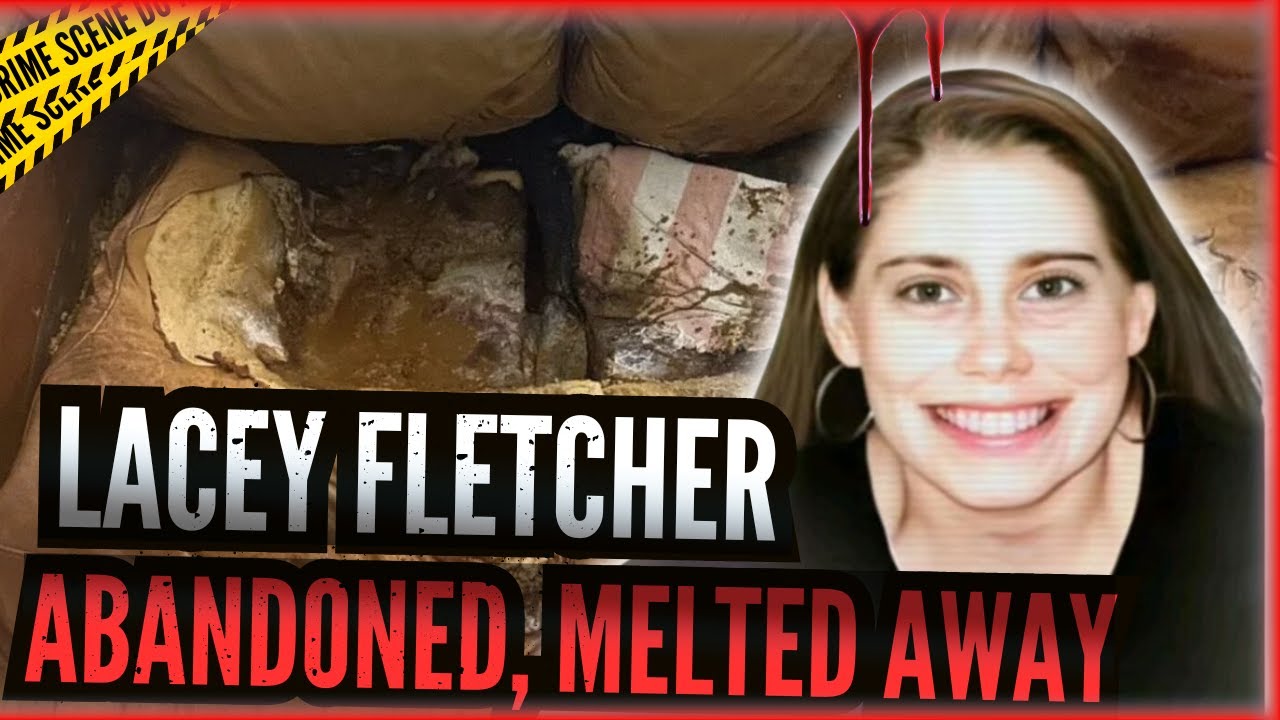
Lacey Fletcher The Tragic Story And Aftermath
Lead: The harrowing case of Lacey Fletcher has captivated and disturbed audiences across the United States, shedding a harsh light on the often-hidden realities of extreme neglect. Her tragic story, discovered in January 2022, quickly became a focal point for discussions about personal accountability, the failures of social support systems, and the justice system's response to unimaginable suffering. This article delves into the grim details of Lacey Fletcher's life and death, the subsequent legal proceedings, and the profound questions raised by this deeply unsettling event, offering readers a comprehensive understanding of its origins and ongoing impact.
What Is Lacey Fletcher
Lacey Fletcher: The Tragic Story and Aftermath refers to the deeply disturbing case surrounding the death of Lacey Ellen Fletcher, a 36-year-old woman found deceased in her parents' home in Slaughter, Louisiana, in January 2022. The case gained national attention due to the horrific circumstances of her death, which pointed to prolonged and severe medical neglect. Autopsy results indicated she died from chronic medical neglect, compounded by conditions like osteomyelitis (bone infection) and sepsis, which developed from severe pressure ulcers.
Key aspects defining this tragic story include:
- Discovery: Lacey Fletcher's body was found fused to a couch in an advanced state of decomposition, covered in urine, feces, and insects.
- Medical Condition: She reportedly suffered from severe autism and a rare neurological disorder known as locked-in syndrome, which rendered her highly dependent on care.
- Parental Involvement: Her parents, Sheila and Clay Fletcher, were present in the home and subsequently charged with second-degree murder, accused of failing to provide adequate care despite their daughter's severe needs.
Why Lacey Fletcher
The story of Lacey Fletcher continues to trend due to its profoundly shocking nature and the ethical questions it raises. The grotesque details released by authorities and the grand jury sparked widespread outrage, with many struggling to comprehend how such extreme neglect could occur undetected within a family home. The case resonates deeply because it touches upon fundamental societal concerns:
- The vulnerability of dependent adults and individuals with severe disabilities.
- The responsibility of caregivers, especially parents.
- The potential gaps in community oversight and social services that might have intervened.
- The justice system's capacity to address and prosecute extreme cases of neglect and abuse.
Public discourse often centers on the stark contrast between the Fletchers' seemingly respectable community standing and the horrific conditions discovered in their home, fueling a demand for accountability and a deeper examination of how such tragedies can be prevented.
Dates, Locations, or Key Details
The timeline and specific details are central to understanding Lacey Fletcher: The Tragic Story and Aftermath:
- January 3, 2022: Lacey Fletcher was found dead in her parents' home in Slaughter, East Feliciana Parish, Louisiana.
- March 2022: East Feliciana Parish Coroner Dr. Ewell Dewitt Bickham III ruled her death a homicide, citing "severe chronic medical neglect."
- May 2, 2022: A grand jury indicted Sheila and Clay Fletcher on charges of second-degree murder.
- January 2023: The Fletchers pleaded not guilty to the charges.
- Key Figures: Lacey Ellen Fletcher (victim), Sheila and Clay Fletcher (parents and defendants), District Attorney Sam D'Aquilla (prosecutor).
- Background: Lacey was reportedly diagnosed with severe autism and locked-in syndrome at age 9, becoming increasingly dependent on her parents for all aspects of her care.
How To Understand and Follow Developments Related to Lacey Fletcher
Given the nature of the case, "getting involved" is less about participation and more about informed observation and engagement with the underlying issues. Readers can follow updates and contribute to the broader conversation by:
- Staying Informed: Regularly check reputable news outlets (local and national) for updates on the legal proceedings, as trials and hearings can be prolonged.
- Learning Warning Signs: Educate oneself and others about the signs of elder abuse or dependent adult neglect. Resources from adult protective services or similar organizations can be invaluable.
- Supporting Advocacy: Consider supporting non-profit organizations dedicated to preventing abuse and neglect of vulnerable populations, or those that advocate for improved social services.
- Community Vigilance: Encourage community awareness and a willingness to report suspected cases of neglect or abuse to appropriate authorities, emphasizing the importance of intervention.
What To Expect (Regarding the Ongoing Narrative)
- Ongoing Legal Proceedings: The case against Sheila and Clay Fletcher is expected to continue through the Louisiana court system, potentially involving a trial, appeals, and a verdict that will bring legal closure or further contention.
- Continued Public Discussion: The moral and ethical implications of the case will likely remain a topic of public debate, driving conversations about family responsibility and the limits of state intervention.
- Focus on Dependent Adult Care: The tragedy may spur further examination and potential reforms in policies surrounding the care and protection of severely disabled or dependent adults, particularly within private homes.
- Psychological and Social Impact: Experts may continue to analyze the psychological factors contributing to such extreme neglect and the societal conditions that might allow it to persist undetected.
The Broader Impact of Lacey Fletcher
The case of Lacey Fletcher has had a significant impact beyond the immediate legal sphere, resonating across societal, ethical, and even policy landscapes. It has intensified public awareness of the horrific potential for extreme neglect within seemingly normal family units, challenging preconceived notions about abuse and caregivers.
Culturally, the story serves as a stark cautionary tale, forcing a re-evaluation of how communities and neighbors might be more vigilant in identifying and reporting signs of distress. Ethically, it sparks profound discussions about the boundaries of parental responsibility, the right to dignity even in severe disability, and the societal obligation to protect the most vulnerable. From a legal standpoint, the prosecution of the Fletchers highlights the intent to hold individuals accountable for gross neglect that leads to death, potentially influencing future legal interpretations and applications in similar cases of severe dependent adult abuse.
The details of this case are profoundly disturbing and serve as a stark reminder of the hidden tragedies that can unfold behind closed doors, demanding greater vigilance from communities and robust protective services, stated a local legal analyst.
Economic or Social Insights
The Lacey Fletcher case underscores critical strains within the existing social support infrastructure for individuals with severe disabilities and their caregivers. While the immediate focus is on individual culpability, the case indirectly highlights the immense challenges families can face when caring for a profoundly dependent individual, sometimes leading to caregiver burnout, mental health crises, and, in tragic instances, neglect. It prompts questions about whether adequate resources, respite care, and community support systems are readily available and accessible to prevent such extreme outcomes.
The economic implications, though not directly tied to the Fletchers' finances, point to the broader costs associated with chronic illness, disability care, and the potential societal expenses incurred when protective services fail or are not adequately funded. The incident, as observed by social policy experts, acts as a grim data point, contributing to discussions found in publications like Social Work Today or academic journals on public health, emphasizing the need for comprehensive and accessible care networks to safeguard vulnerable populations.
Frequently Asked Questions About Lacey Fletcher
- What is Lacey Fletcher: The Tragic Story and Aftermath? This refers to the deeply distressing case of Lacey Fletcher, a Louisiana woman who died in January 2022 from severe chronic medical neglect, allegedly at the hands of her parents, who have since been charged with second-degree murder. The term encompasses her life, death, and the ensuing legal and public reckoning.
- Why is Lacey Fletcher: The Tragic Story and Aftermath popular? The case's popularity stems from the truly shocking and horrific nature of the details released by authorities. The extreme level of neglect, the tragic circumstances of her discovery, and the public's desire for justice for a vulnerable individual have made it a widely discussed and trending topic.
- How can people participate or experience it? While not an "event" to participate in, people can engage with the story by staying informed on the legal proceedings, educating themselves on the signs of neglect and abuse, and supporting organizations dedicated to protecting vulnerable adults. Following the news from reputable sources is the primary way to "experience" the ongoing aftermath.
- Is it legitimate or official? Yes, the Lacey Fletcher case is a legitimate and ongoing criminal investigation and prosecution in East Feliciana Parish, Louisiana. The details have been officially confirmed by law enforcement, the coroner's office, and court documents.
- What can attendees or users expect? Readers who engage with the story can expect to confront deeply unsettling information, gain a somber understanding of extreme neglect, and witness the legal system's attempt to provide accountability. It offers a window into the complexities of dependent adult care and the critical need for community vigilance.
Conclusion
The case of Lacey Fletcher: The Tragic Story and Aftermath stands as a stark and profoundly unsettling testament to the potential for human suffering under extreme neglect. It has forced a necessary, albeit painful, examination of societal responsibility, family dynamics, and the critical importance of safeguarding the most vulnerable among us. As the legal proceedings continue, the story serves as a potent reminder that vigilance, compassion, and robust support systems are not just ideals, but essential pillars for preventing unimaginable tragedies.
Call to Action: Readers are encouraged to remain informed about the ongoing legal developments in the Lacey Fletcher case, to familiarize themselves with the warning signs of elder or dependent adult abuse, and to consider supporting organizations that work to protect vulnerable individuals and ensure their dignity and safety.