Last Minute Cancellation Is It Ever Okay
Lead: In an increasingly fast-paced and interconnected world, the act of makingand subsequently breakingplans has become a common occurrence. From professional appointments to personal engagements, the phenomenon of last-minute cancellation presents a persistent challenge, sparking debates on etiquette, economic impact, and personal responsibility. This article delves into the intricate question of whether last-minute cancellations are ever acceptable, exploring the various factors that contribute to their prevalence and the broader implications for individuals and industries alike.
What Is Last Minute Cancellation?
At its core, a last-minute cancellation refers to the retraction of a prior commitment within a very short timeframe before the scheduled event or service. While the precise definition of "last minute" can vary significantly depending on the context, it generally implies a period too short for the affected party to adequately adjust or find a replacement. This can range from a few hours' notice for a dinner reservation to less than 24 or 48 hours for a professional service appointment, or even minutes before a social gathering.
- Professional Services: Often pertains to appointments with doctors, dentists, therapists, hair stylists, or consultants where a specific time slot is reserved and potentially lost revenue is incurred.
- Hospitality & Travel: Includes hotel bookings, flight reservations, restaurant tables, or event tickets, where late cancellations can result in empty seats or rooms.
- Social Engagements: Encompasses plans with friends, family, or colleagues for gatherings, outings, or informal meetings.
- Gig Economy: Affects independent contractors, tutors, or delivery drivers whose livelihoods depend on scheduled tasks.
The question of whether such a cancellation is "okay" often hinges on a delicate balance of unforeseen circumstances, the impact on others, and established norms or policies.
Why Last Minute Cancellation Is Trending
The increasing frequency of eleventh-hour schedule changes can be attributed to several modern societal shifts and technological advancements:
- Digital Communication Ease: Instant messaging and email make it easier than ever to communicate changes, sometimes leading to a casualization of commitments.
- Flexible Lifestyles: A growing demand for flexibility in work and personal life can inadvertently lead to more fluid scheduling and, consequently, more late adjustments.
- Over-Scheduling: Individuals often commit to multiple engagements, creating a higher likelihood of conflicts and the need to prioritize at the last moment.
- Rise of the Gig Economy: For both service providers and users, the on-demand nature of many services can blur traditional boundaries of scheduling commitment.
- Reduced Social Stigma: In some circles, the social stigma associated with breaking plans has lessened, particularly for informal engagements.
This trend highlights a growing tension between individual autonomy and the collective expectation of reliability and respect for others' time.
Defining Parameters
While there are no universal "dates" or "locations" for last-minute cancellations, the issue is deeply embedded within the operational timelines and policies of various industries. Most businesses and service providers have established cancellation windows, typically ranging from 24 to 48 hours, beyond which fees may apply or full payment may be required. These policies are critical for managing resources and mitigating financial losses.
Key sectors profoundly affected include:
- Healthcare: Missed appointments can mean lost revenue for practitioners and extended wait times for other patients needing care.
- Hospitality: Hotels and restaurants rely on predictable occupancy; late cancellations directly impact profitability and staffing.
- Personal Services: Salons, spas, and wellness centers often operate on tight schedules, making last-minute changes particularly disruptive.
- Freelance & Consulting: Independent professionals charge for their time, and cancellations can lead to unbillable hours.
Understanding these timeframes and their rationale is crucial for appreciating the logistical and economic implications of late notice.
Navigating the Dilemma
For both those who might need to cancel and those affected by a cancellation, navigating this common scenario requires a blend of clear communication, empathy, and established protocols.
For those needing to cancel:
- Communicate Immediately: As soon as a conflict arises, inform the other party. Prompt communication is the most respectful approach, even if it's still "last minute."
- Be Transparent (Within Reason): Provide a brief, honest reason for the cancellation, if appropriate. Avoid overly elaborate or dishonest excuses.
- Offer Solutions or Alternatives: If possible, suggest rescheduling immediately. For professional services, ask about cancellation policies and offer to pay any applicable fees.
- Express Regret and Apology: A sincere apology acknowledges the inconvenience caused to the other party.
- Understand the Impact: Be aware that your cancellation may have financial or logistical consequences for the other party.
For those affected by a cancellation:
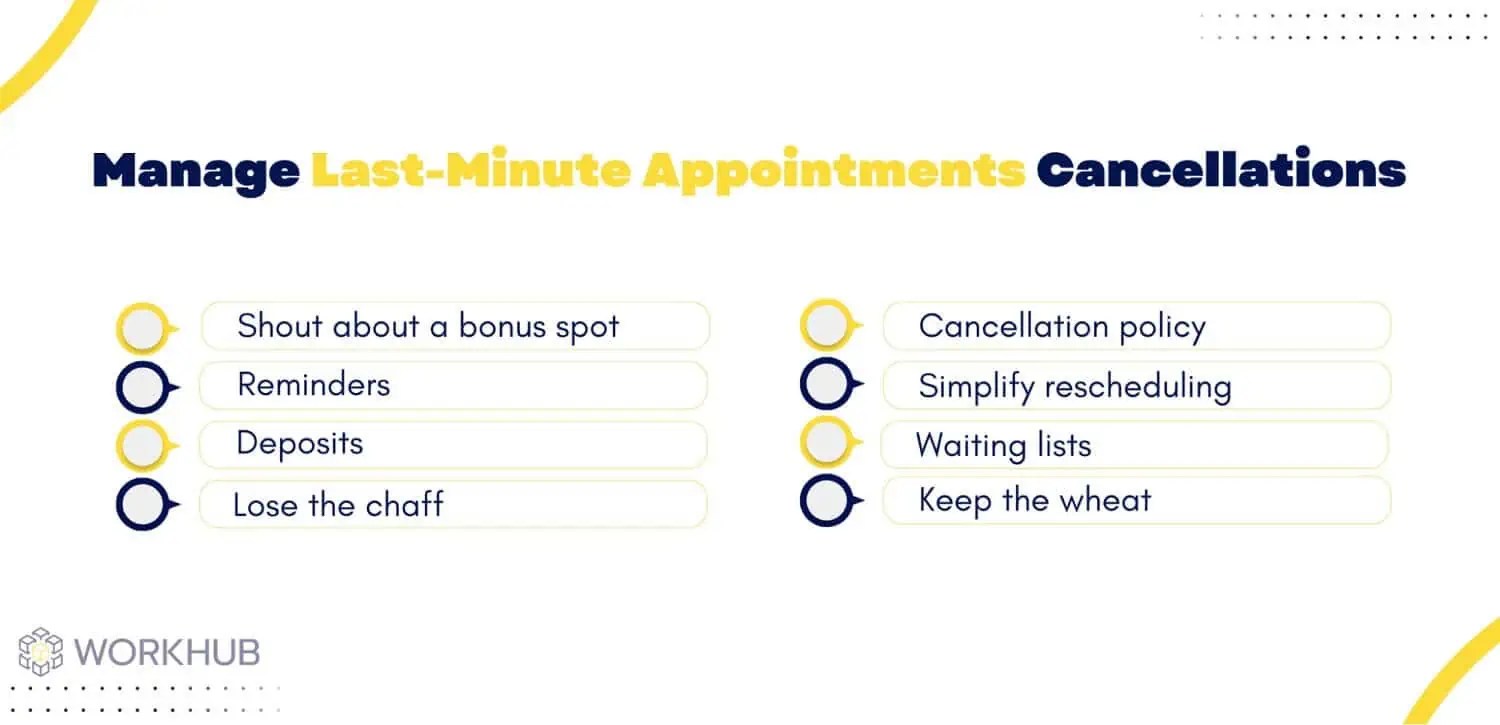
- Have Clear Policies: Businesses and service providers should have transparent, easy-to-understand cancellation policies outlined from the outset.
- Automated Reminders: Utilizing appointment reminders (text, email) can significantly reduce no-shows and late cancellations.
- Communicate Consequences: Clearly explain any fees or penalties associated with late cancellations.
- Consider a Waitlist: Maintain a waitlist for popular services to fill last-minute openings quickly.
- Practice Empathy: While frustrating, some cancellations are genuinely unavoidable due to emergencies. A degree of understanding can foster goodwill.
What To Expect
- Varying Levels of Acceptance: The "okayness" of a last-minute cancellation is highly contextual, influenced by the relationship, the reason for cancellation, and the impact.
- Financial Repercussions: For businesses, expect potential revenue loss and the need to implement and enforce cancellation policies. For individuals, expect potential fees.
- Emotional Strain: Cancellations can lead to feelings of frustration, disrespect, or disappointment for the affected party, and guilt or stress for the canceller.
- Emphasis on Communication: Clear, respectful, and timely communication remains the most critical factor in mitigating negative outcomes.
- Adaptation of Practices: Industries and individuals are continually adapting strategies to minimize the disruption caused by late changes, from deposit requirements to more flexible booking options.
The Broader Impact of Last Minute Cancellation
The pervasive nature of last-minute cancellations extends beyond individual inconvenience, influencing economic stability, professional relationships, and social trust. For small businesses and independent contractors, a single no-show or late cancellation can mean a significant loss of income for that hour or day. Over time, this cumulative effect can threaten viability, leading to stricter policies or increased prices for all clients.
Socially, frequent last-minute changes can erode trust and reliability within personal relationships, making individuals hesitant to make future plans. It can foster a culture where commitments are treated lightly, undermining the value placed on shared time and effort.
The true cost of a last-minute cancellation isn't just the lost revenue for a business; its the erosion of trust and the devaluation of another person's time and effort. In a world designed for flexibility, we sometimes forget the fundamental importance of reliability and respect for commitments.
Economic or Social Insights
Reports from various industries frequently highlight the economic drain caused by last-minute cancellations. For example, in the healthcare sector, missed appointments cost the U.S. healthcare system billions annually, impacting both clinic efficiency and patient care access. The salon and spa industries also report substantial losses from no-shows and late cancellations, often necessitating the implementation of deposit systems or cancellation fees to stay afloat. These insights, frequently reported by outlets like Business Insider or industry-specific journals, underscore the tangible economic consequences.
Sociologically, the issue reflects a broader societal trend towards instant gratification and individualism, where personal convenience sometimes outweighs collective responsibility. Balancing these forces is a continuous challenge for maintaining a functional and respectful society.
Frequently Asked Questions About Last Minute Cancellation
- What is last minute cancellation? It refers to breaking a prior commitment, such as an appointment or plan, with very little notice, typically too late for the affected party to adjust or fill the slot effectively. The "okayness" depends on the circumstances and impact.
- Why is last minute cancellation popular? Its prevalence is driven by the ease of digital communication, increased demand for personal flexibility, over-scheduling, and sometimes a lessened social stigma around breaking plans, particularly for informal engagements.
- How can people participate or experience it? People "experience" it as either the person canceling or the person affected. Managing it involves clear communication, setting and respecting boundaries, and understanding the financial and social implications.
- Is it legitimate or official? While the act of canceling is legitimate, the appropriateness of "last minute" cancellations is often debated. Cancellation policies are official and legally binding in many professional contexts. The phenomenon itself is a widespread social and professional challenge.
- What can attendees or users expect? Those who cancel can expect to potentially incur fees, disappoint others, or damage relationships. Those who are canceled on can expect inconvenience, potential financial loss (for businesses), and a need to adjust plans. Clear communication from all sides is paramount.
Conclusion
The question of whether a last-minute cancellation is ever truly "okay" remains a nuanced one, devoid of a simple yes or no answer. It is a complex issue shaped by individual circumstances, industry standards, and prevailing social norms. While unavoidable emergencies can always warrant immediate changes, a deeper consideration for the impact on others' time, resources, and emotional well-being is essential. Ultimately, fostering a culture of respect for commitments, coupled with transparent communication and fair policies, serves to build stronger relationships and more reliable systems for everyone.
Call to Action: Readers are encouraged to reflect on their own booking and cancellation habits, familiarize themselves with the policies of service providers, and engage in open, respectful communication when plans must change. By doing so, individuals can contribute to a more considerate and efficient social and professional landscape.