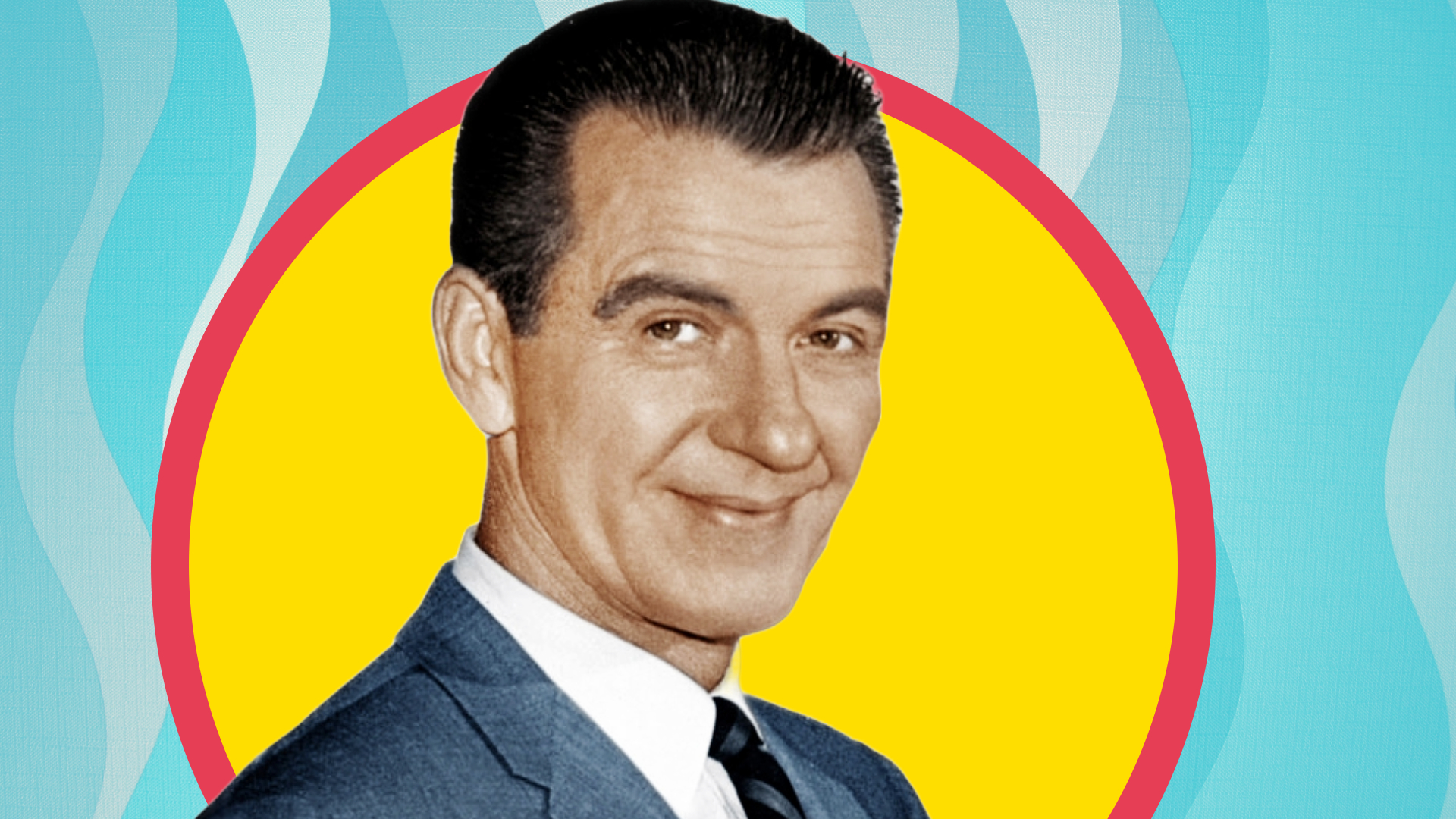
Hugh Beaumont The Life And Legacy Of A Television Icon
Lead: In the annals of American television history, certain figures become synonymous with an era, defining the very essence of their time on screen. Hugh Beaumont stands as one such indelible icon, whose portrayal of the quintessential American father captivated millions and shaped the landscape of family programming. This article delves into the remarkable life and enduring legacy of a performer whose influence continues to resonate, exploring his journey from film to television stardom and the profound cultural impact he left behind.
What Is Hugh Beaumont
Hugh Beaumont: The Life and Legacy of a Television Icon refers to a comprehensive examination of the actor Hugh Beaumont's career, personal life, and significant contributions to entertainment, particularly his celebrated role as Ward Cleaver in the iconic 1950s and 60s sitcom Leave It to Beaver. This exploration covers:
- His early career as a character actor in film noir and Westerns.
- His transition to television and the role that cemented his fame.
- The cultural impact of Leave It to Beaver and his portrayal of the idealized American patriarch.
- His work as a director and writer within the industry.
- His post-Beaver career and personal endeavors, including his work as a Methodist minister.
The topic encapsulates not just the individual's accomplishments, but also how his image and work reflect and influenced broader societal norms and expectations regarding family, fatherhood, and media representation during a transformative period in American history.
Why Hugh Beaumont
The enduring interest in Hugh Beaumont's life and legacy stems from several factors. Classic television continues to find new audiences through streaming platforms and cable networks dedicated to vintage programming, introducing figures like Beaumont to younger generations. Furthermore, there's a growing academic and cultural appreciation for the historical significance of shows like Leave It to Beaver, which serves as a window into mid-20th-century American values and societal structure. His role as Ward Cleaver has become a benchmark for fictional father figures, often referenced in discussions about evolving family dynamics in media. The appeal lies in both nostalgia for a perceived simpler time and the academic study of cultural archetypes, making his legacy perennially relevant in conversations about television's role in shaping societal norms.
Dates, Locations, or Key Details
Hugh Beaumont's journey began with his birth on February 16, 1909, in Lawrence, Kansas. His early career saw him gracing the silver screen in numerous films throughout the 1940s and early 1950s, often in supporting roles, showcasing his versatility across genres from crime dramas to comedies. However, it was his pivotal move to television that defined his public image. From October 1957 to June 1963, Beaumont became a household name across America as Ward Cleaver, living with his TV family in the fictional suburban town of Mayfield. The show ran for six seasons and 234 episodes, initially on CBS and later ABC, becoming a staple of post-war American culture. Following Leave It to Beaver, Beaumont continued to act and direct, but also pursued his calling as a Methodist minister, dedicating time to both his faith and his craft until his passing on May 14, 1982, in Munich, West Germany, following a heart attack while visiting his son.
How To Get Involved or Access Hugh Beaumont
Engaging with Hugh Beaumont's legacy is readily accessible to anyone interested in classic television and American cultural history. Here's how to explore his work:
- Stream Leave It to Beaver: The complete series is available on various streaming platforms, including Peacock, Tubi, and Pluto TV, often free with ads. Digital purchase options are also available on platforms like Amazon Prime Video and Apple TV.
- Watch Classic TV Channels: Channels like MeTV, Antenna TV, and Decades frequently air reruns of Leave It to Beaver, allowing viewers to catch episodes as they were originally broadcast.
- Explore Filmography: Many of his earlier film roles are available through classic film libraries on streaming services or DVD/Blu-ray collections. Websites like IMDb provide comprehensive lists of his acting credits.
- Read Biographies and Articles: Numerous books on classic television and actor biographies feature insights into Beaumont's life and career. Online archives of newspapers and magazines from his active years can also provide contemporary perspectives.
- Visit Archives: For those seeking deeper academic insight, university film and television archives may hold scripts, production notes, or interviews related to his work.
What To Expect
- Viewers can expect to encounter a foundational figure in the portrayal of the American family unit, particularly in the post-war era.
- His performances are characterized by a quiet authority, warmth, and an underlying moral compass, defining the archetypal sitcom dad.
- The exploration of his legacy reveals not only an actor's craft but also a reflection of societal values and the evolution of television as a medium.
The Broader Impact of Hugh Beaumont
Hugh Beaumont's portrayal of Ward Cleaver had an indelible impact on the television landscape, particularly regarding the depiction of fatherhood and family life. He set a standard for the wise, patient, and morally upright patriarch, influencing countless sitcom dads that followed. This archetype became a cultural touchstone, representing an idealized vision of the American family during a period of significant social change. His work in Leave It to Beaver helped solidify the family sitcom genre as a powerful medium for reflecting and reinforcing societal norms, even as later generations would reinterpret and challenge these portrayals. The shows enduring syndication highlights the lasting appeal of its themes, continually introducing Beaumonts calm demeanor and fatherly advice to new audiences, thereby extending his influence far beyond its initial run. Experts in television studies often cite Ward Cleaver as a prime example of patriarchal representation in 20th-century media, underscoring Beaumont's deep-seated cultural relevance.
Hugh Beaumonts Ward Cleaver was more than just a character; he was a cultural anchor for a generation, embodying the ideal of fatherhood during a time of immense social expectation and change. His performance etched an archetype into the American psyche that still resonates today.
Economic or Social Insights
The sustained popularity of classic television, largely driven by figures like Hugh Beaumont and shows like Leave It to Beaver, contributes significantly to the modern entertainment economy. Streaming services and digital platforms invest in licensing older content, recognizing its enduring appeal and ability to attract diverse viewership. This "comfort TV" niche provides substantial revenue, proving that well-produced, character-driven storytelling maintains its value across decades. Socially, the constant re-evaluation of classic shows fosters dialogues about historical representation, societal evolution, and the changing definition of family. As highlighted by publications such as The Hollywood Reporter, the business of classic syndication remains robust, demonstrating that figures like Beaumont continue to generate economic activity and social commentary long after their original broadcast, reinforcing the power of enduring television legacies.
Frequently Asked Questions About Hugh Beaumont
- What is Hugh Beaumont: The Life and Legacy of a Television Icon? This refers to the comprehensive study and appreciation of actor Hugh Beaumont, primarily known for his role as Ward Cleaver in Leave It to Beaver, encompassing his entire career, personal life, and lasting cultural impact on American television and its portrayal of family.
- Why is Hugh Beaumont: The Life and Legacy of a Television Icon popular? His enduring popularity stems from the iconic status of Leave It to Beaver, its continued availability on streaming platforms and classic TV channels, and a general fascination with the cultural touchstones and representations of mid-20th-century American life and values.
- How can people participate or experience it? Individuals can engage with Beaumont's legacy by watching episodes of Leave It to Beaver on various streaming services or classic TV networks, exploring his extensive filmography, or reading articles and books about his life and the Golden Age of Television.
- Is it legitimate or official? The examination of Hugh Beaumont's life and legacy is a legitimate topic of historical and cultural study, widely covered by entertainment historians, biographers, and academic researchers. His contributions are officially recognized in television archives and industry literature.
- What can attendees or users expect? Those exploring Beaumont's legacy can expect to gain a deeper understanding of a pivotal figure in television history, insights into the societal dynamics of post-war America, and an appreciation for the enduring power of classic storytelling and character development.
Conclusion
Hugh Beaumonts legacy as a television icon is undeniably profound. His portrayal of Ward Cleaver transcended mere acting, crafting an archetype that resonated deeply with the American public and continues to inform discussions about family, fatherhood, and media. His impact extends beyond the small screen, touching upon cultural values and the enduring appeal of wholesome, character-driven narratives. As classic television finds new life across digital platforms, Beaumont's work remains a testament to the power of a well-told story and a performance that truly defined an era.
Call to Action: To fully appreciate the lasting influence of Hugh Beaumont, explore his iconic performances by streaming Leave It to Beaver on platforms like Peacock or Tubi, or tune into classic TV channels like MeTV. Dive into his filmography and discover the diverse range of his talent that made him a true legend of the screen.